
Complete Guide to Choosing the Right Jaw Crusher
Key Factors When Choosing Jaw Crusher
Before determining specific details such as feed size or mobility, first identify the key factors for selecting a jaw crusher. These factors influence the equipment’s performance, cost-effectiveness, and service life. An error in any one of these factors could result in the jaw crusher failing to meet the project’s requirements—therefore, be sure to take the time to carefully evaluate each factor:
Project and Production Requirements: Do you need small-scale crushing (5–50 tons per hour) or large-scale production (100–800 tons per hour)? Will the jaw crusher be used solely for primary crushing, or as part of a complete production line? Clarifying your production goals will help narrow down your choice of models.
Material Characteristics: The type and hardness of the material to be crushed (e.g., limestone, granite, ore) will determine the jaw crusher’s design, jaw plate material, and the required crushing force.
Space and Installation Constraints: Is space limited at your construction site? Will the jaw crusher be installed in a fixed location, or will it need to be moved frequently?
Budget and Long-Term Costs: While upfront costs are important, you should also consider long-term expenses such as maintenance, replacement of wear parts, and energy consumption—these costs can add up to a significant amount over time.
- After-Sales Service: Choose a manufacturer that provides reliable after-sales service, technical support, and spare parts—this is crucial for minimizing downtime when the jaw crusher requires maintenance. Chunlei Machinery offers a full range of services.

Feed Size & Capacity Requirements
How to Determine Feed Size
Feed size refers to the maximum size of raw material that a jaw crusher can process. To determine this size, you need to measure the largest rock or material block you intend to crush—the jaw crusher’s feed hopper and crushing chamber must be large enough to accommodate these blocks without causing a jam.
Example: If your feed material includes rock blocks with a diameter of up to 1,200 mm, you will need a jaw crusher with a maximum feed size of at least 1,200 mm (we recommend adding a 10–15% margin to prevent jamming). Chunlei’s jaw crushers offer a feed size range from 100 mm to 1,500 mm, capable of meeting the needs of projects of all sizes.
How to Choose the Right Capacity
-
Calculate your daily production target, then divide by your working hours to get your required TPH (e.g., 500 tons per day ÷ 8 hours = 62.5 TPH).
-
Choose a jaw crusher with a capacity slightly higher than your required TPH (10-20% buffer) to account for material variations and unexpected downtime.
-
Chunlei’s jaw crushers offer capacities from 5 TPH (small-scale) to 800 TPH (large-scale mining), with customizable options to match your exact needs.
Hardness of Material
Material Hardness Classification & Jaw Crusher Selection
1. Stationary Stone Crusher Plant
Best For: Large-scale, long-term projects (e.g., 5+ years) with a fixed site.
Pros: Higher capacity, lower cost per ton, easier maintenance access.
Cons: Requires significant civil work, immobile.
2. Semi-Mobile (Skid-Mounted) Plant
Best For: Medium-term projects where the site may change every 2-3 years.
Pros: Reduced foundation work, can be relocated as a unit.
Cons: Lower maximum capacity than stationary plants.
3. Fully Mobile Wheeled or Tracked Plant
Best For: Multiple sites, rental fleets, or projects needing to move with the mining face.
Pros: On-site mobility, eliminates material hauling costs, quick setup.
Cons: Higher operating cost per ton, lower overall capacity, more complex maintenance.
Step-by-Step Setup of a Stone Crushing Plant
Setting up a plant involves a logical sequence of steps. Proper planning here prevents costly bottlenecks later.
-
Soft Materials (Compressive Strength < 100 MPa): Examples include limestone, dolomite, and clay. A standard jaw crusher with mild steel jaw plates is sufficient—these materials are easy to crush and cause minimal wear.
-
Medium-Hard Materials (100-200 MPa): Examples include sandstone, shale, and coal. A jaw crusher with wear-resistant alloy steel jaw plates is recommended to handle moderate wear and maintain efficiency.
-
Hard Materials (200-320 MPa): Examples include granite, basalt, iron ore, and copper ore. You’ll need a heavy-duty jaw crusher with high crushing force, thick alloy steel jaw plates, and a reinforced frame—like Chunlei’s CJ Series European Jaw Crusher, which is engineered for hard rock crushing.
Mobile vs Stationary
Stationary Jaw Crushers
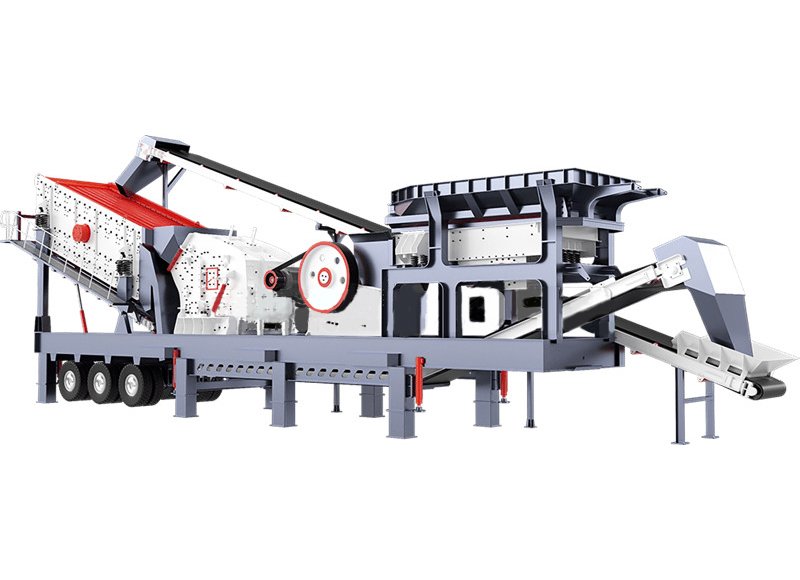
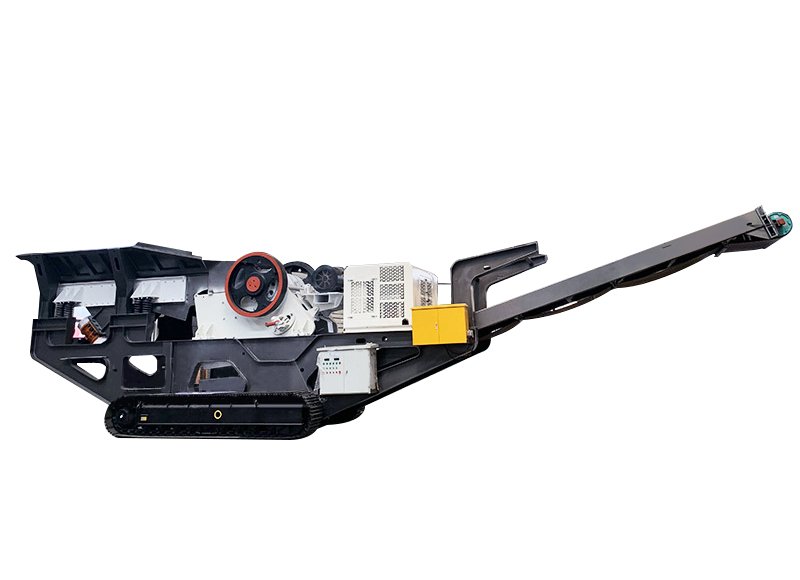
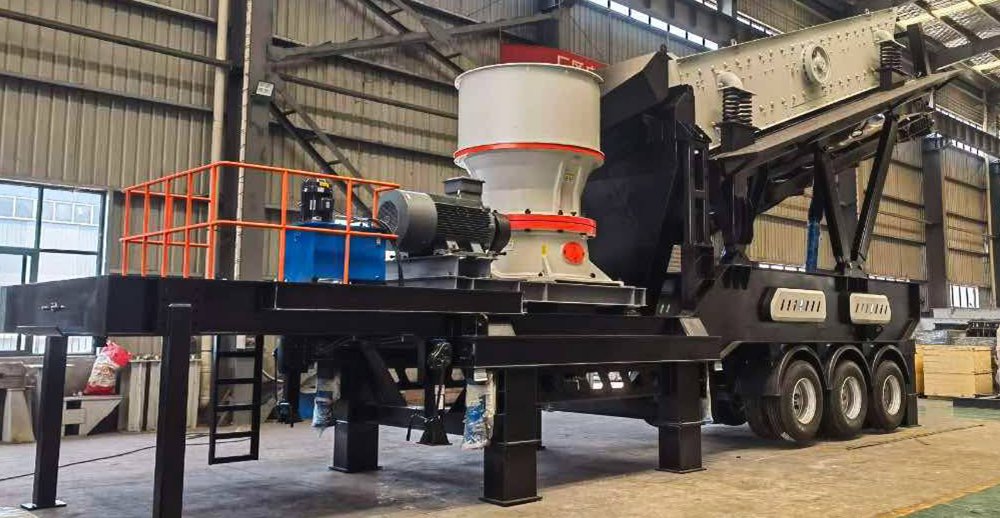
Mobile Jaw Crushers
How to Choose Between Mobile & Stationary
First, consider the following questions:
Do you need to move the crusher between different job sites?
Are your raw materials located in different places?
Is installation space limited?
If your answer to any of the above questions is yes, then a mobile jaw crusher would be the better choice. For long-term projects at fixed locations, a stationary jaw crusher will offer higher efficiency and lower long-term costs.
Our Recommended Models
1. CJ Series European Jaw Crusher (Top Recommendation)
2. PE Series Fixed Jaw Crusher
3. Mobile Jaw Crusher (Wheeled/Crawler)
Conclusion
Selecting the right jaw crusher is not complicated—by focusing on key factors (feed size, processing capacity, material hardness, and mobility) and choosing a reliable model from a trusted manufacturer, you can ensure your project runs smoothly, efficiently, and cost-effectively.
Whether you need a stationary jaw crusher for a large quarry or a mobile model for on-site construction, Chunlei Machinery can provide you with the perfect solution.
Our team of experts is ready to assist you in assessing your project requirements, testing materials (if necessary), and recommending the most suitable jaw crusher model—while also providing customized design solutions to maximize your output and minimize costs.
Get a free customized jaw crusher solution.
If you’re ready to choose the right jaw crusher for your project, send us your project details today, and we’ll provide a free, customized solution tailored to your needs:
Material type (e.g., granite, limestone, ore)
Maximum feed size and desired discharge size
Required output capacity (TPH)
Project type (stationary/mobile, small/large scale)
Contact Chunlei Machinery Now:
Email: info@miningmachinerys.com
WhatsApp: +8615238371776
We will reply to you within 24 hours with a detailed proposal, including model recommendations, technical specifications, and a free quote—helping you choose the perfect jaw crusher for your project.
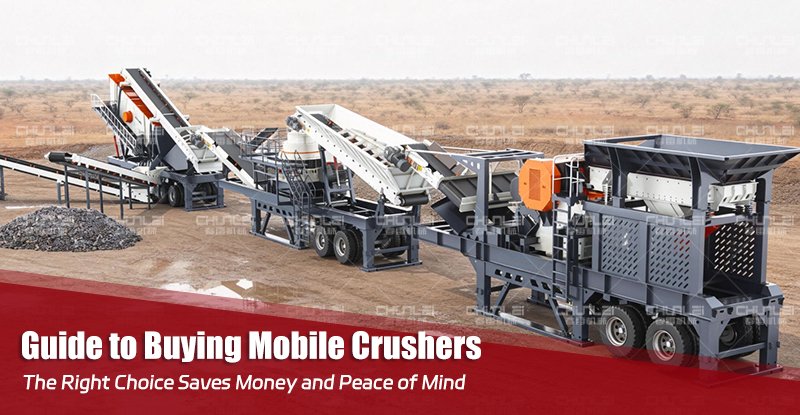
Guide to Buying Mobile Crushers: The Right Choice Saves Money and Peace of Mind
What is the difference between tracked and wheeled mobile crushers? When choosing a mobile crusher, many people prioritize ease of relocation; however, the true measure
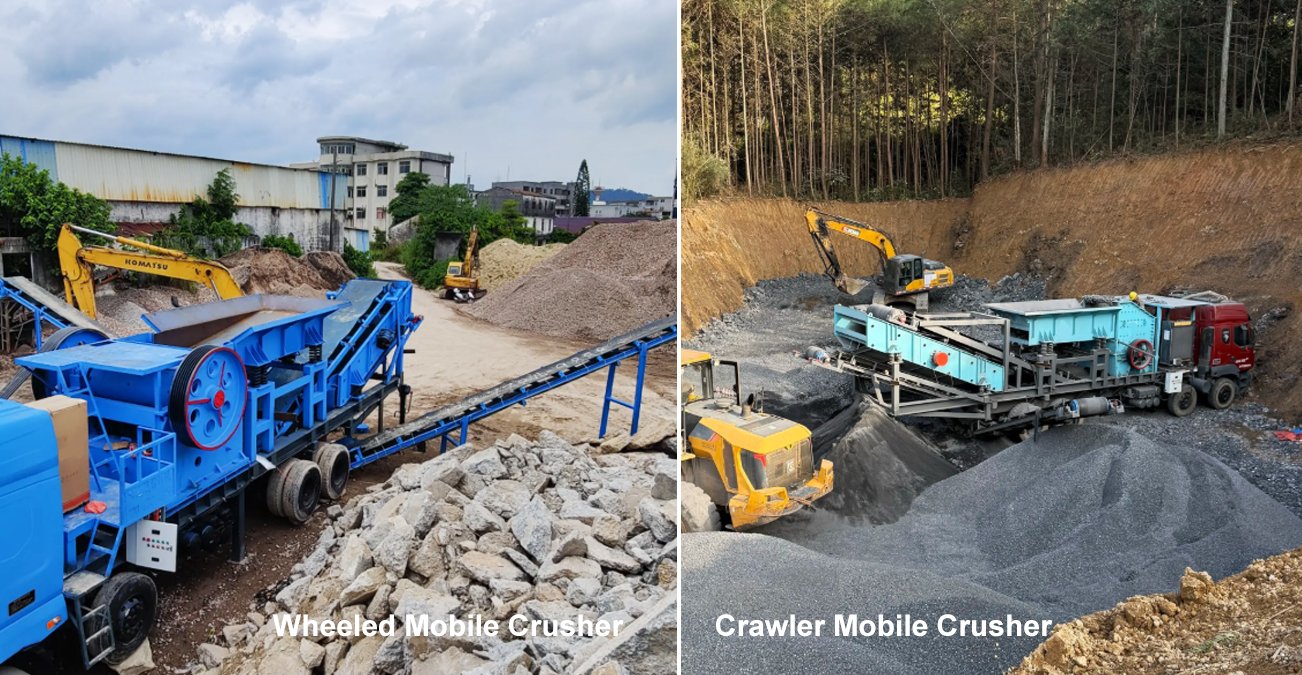
Wheeled vs Crawler Mobile Crusher: Which Is Better for Your Project?
In the mining and aggregate industry, cost reduction and efficiency improvement are always the primary concerns. Mobile crushers are gradually replacing stationary crushing plants, but
What Is a Mobile Crusher?
Many people working in the mining, quarrying, or construction industries are familiar with mobile crushers. They often ask themselves, “What is a mobile crusher? Do
