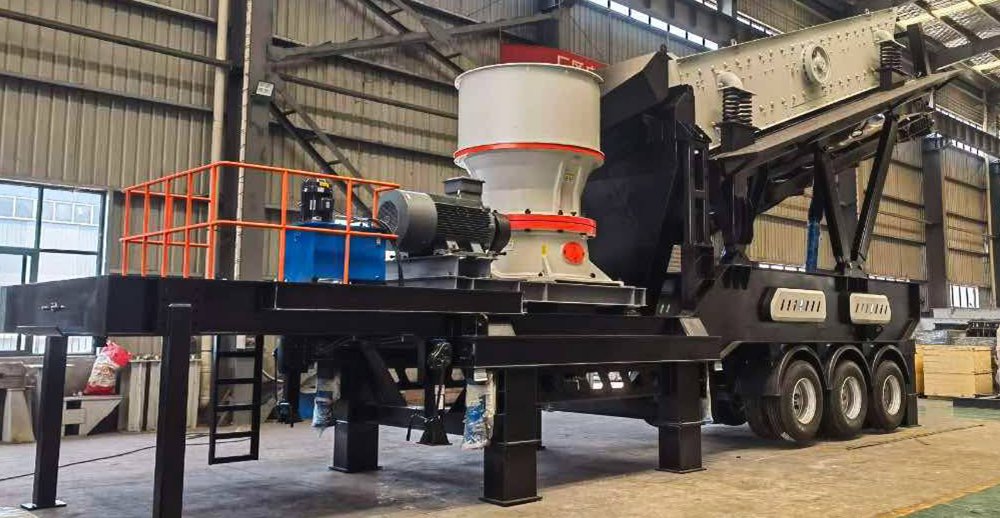
Choosing and setting up a stone crusher plant is a major capital investment for any construction or mining business. With the right information, you can build a profitable operation. This guide provides a modern, detailed overview of stone crusher plants, from types and processes to cost analysis and setup, helping you make an informed decision for 2026 and beyond.
What is a Stone Crusher Plant and Why Do You Need One?
A stone crusher plant is a industrial machine installation designed to break large rocks into smaller rocks, gravel, sand, or rock dust. These plants are the backbone of construction projects, supplying essential aggregates for:
Road Construction: Base layers, asphalt, and concrete.
Building Construction: Concrete blocks, foundations, and structural fill.
Railway Projects: Ballast for track beds.
Dam and Hydropower Projects: Large quantities of specific aggregates.
Investing in a modern, efficient plant can offer high returns by producing valuable raw materials from readily available natural stone or waste material.
Key Factors for a Profitable Stone Crusher Plant
Before looking at equipment, consider the pillars of a profitable operation. A simple budget should account for these.
| Cost Factor | Description |
|---|
| Land & Site | Acquisition cost, site clearing, and grading.
|
| Permits & Licenses | Environmental clearances, mining leases, and business licenses. |
| Equipment | Purchase of crushers, screens, conveyors, and feeders.
|
| Civil Works | Foundations for machinery, roads, and office structures. |
| Installation | Assembly and commissioning of the plant. |
| Operational | Labor, electricity, fuel, maintenance, and consumables (like wear parts). |
Profitability Factors to Watch
Material Quality & Demand: High-quality aggregates command better prices. Local demand for specific sizes drives revenue.
Operational Efficiency: A well-designed plant minimizes downtime and reduces cost per ton.
End-Product Value: Producing multiple, precisely sized products (e.g., 0-5mm sand, 5-10mm, 10-20mm chips) maximizes sales potential.
Types of Stone Crusher Plants in 2026
Modern plants are often categorized by their mobility and capacity. Choosing the right type is crucial for your business model and site conditions.
1. Stationary Stone Crusher Plant
-
Best For: Large-scale, long-term projects (e.g., 5+ years) with a fixed site.
-
Pros: Higher capacity, lower cost per ton, easier maintenance access.
-
Cons: Requires significant civil work, immobile.
2. Semi-Mobile (Skid-Mounted) Plant
-
Best For: Medium-term projects where the site may change every 2-3 years.
-
Pros: Reduced foundation work, can be relocated as a unit.
-
Cons: Lower maximum capacity than stationary plants.
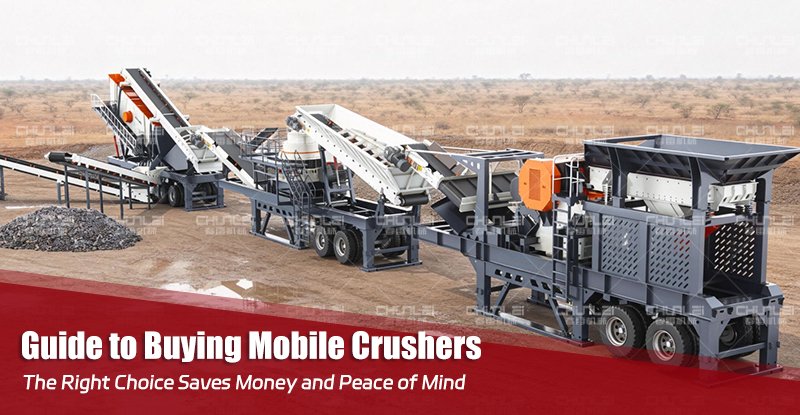
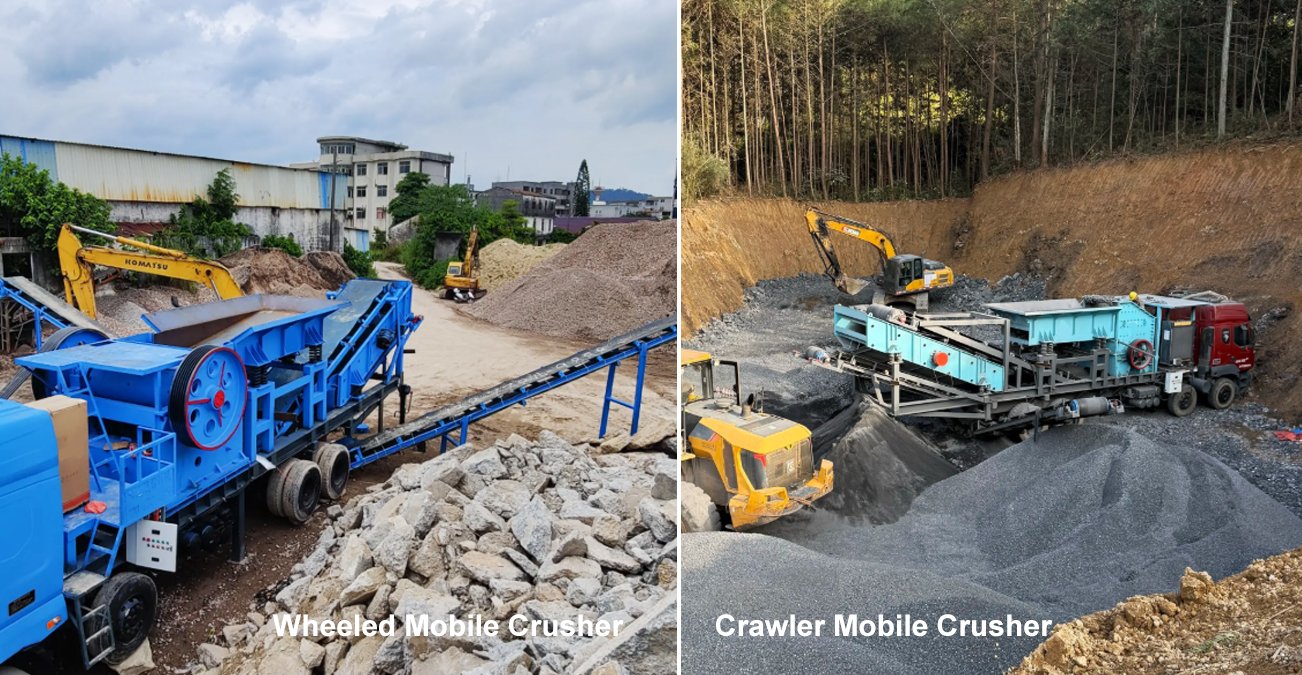
3. Fully Mobile Wheeled or Tracked Plant
-
Best For: Multiple sites, rental fleets, or projects needing to move with the mining face.
-
Pros: On-site mobility, eliminates material hauling costs, quick setup.
-
Cons: Higher operating cost per ton, lower overall capacity, more complex maintenance.
Step-by-Step Setup of a Stone Crushing Plant
Setting up a plant involves a logical sequence of steps. Proper planning here prevents costly bottlenecks later.
Step 1: Site Selection and Material Analysis
Select a site close to the raw material source and market. Test the material (hardness, abrasiveness) to choose the right crusher type. For extremely hard rock like granite or basalt, a jaw crusher for primary and a cone crusher for secondary crushing are typically best.
Step 2: Planning and Plant Layout Design
Work with an experienced engineering team to design the flow. The layout must account for material flow, stockpile space, maintenance access, and safety. A poorly designed layout leads to inefficiency.
Step 3: Procurement and Civil Work
Order equipment with long lead times (like custom crushers) first. Simultaneously, begin site preparation and foundation construction according to the engineering designs.
Step 4: Installation and Commissioning
This involves assembling the primary crushing unit (e.g., feeder and jaw crusher), connecting conveyors, installing screens, and setting up secondary and tertiary crushers (e.g., cone or impact crushers). After installation, a thorough commissioning process tests the plant with material to ensure all systems work in harmony.
Step 5: Operation and Maintenance
Train operators thoroughly. Implement a strict preventive maintenance schedule for lubrication, wear part replacement (jaws, liners, screens), and safety checks.
Choosing the Right Stone Crushing Equipment
The core of your plant is its crushing stages. Most plants use a combination of these machines.
Primary Crushing
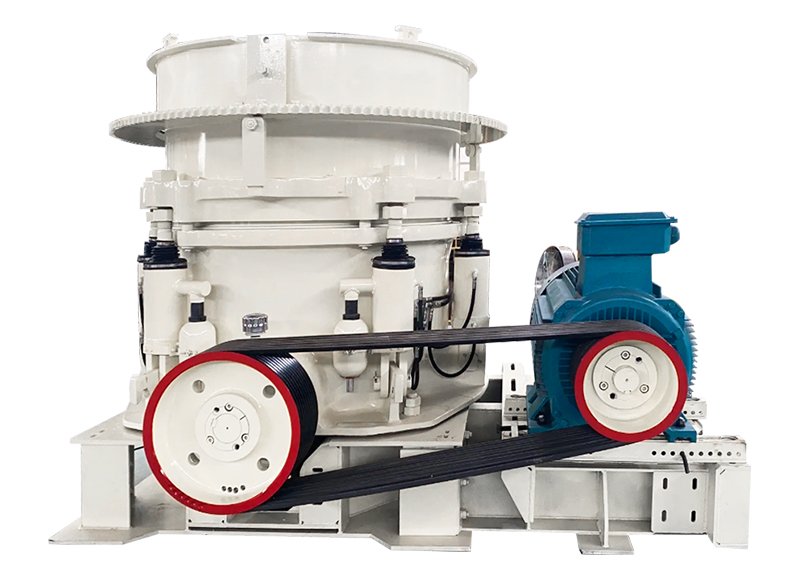
Secondary Crushing
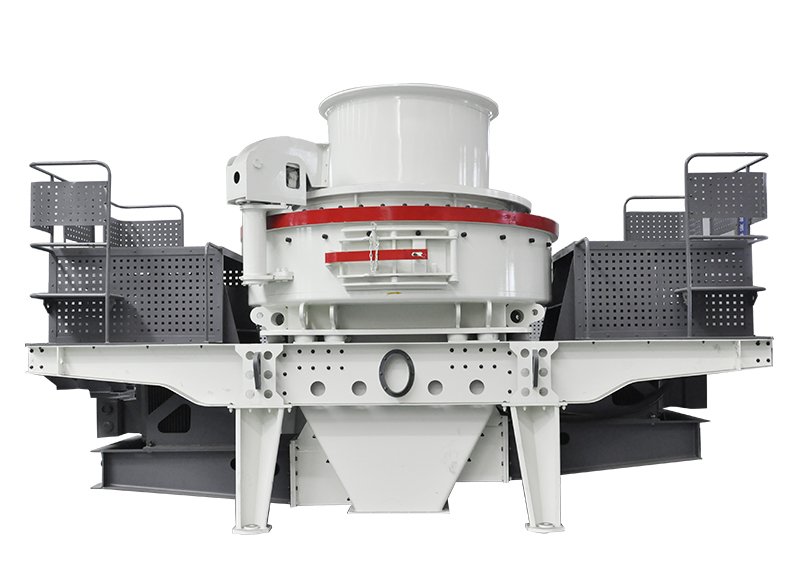
Tertiary/Quaternary Crushing and Shaping
Equipment: Vertical Shaft Impact (VSI) Crusher.
Purpose: Produces fine material (sand) and gives cubical shape to final aggregates, which is critical for concrete and asphalt quality.
Screening and Washing
Equipment: Vibrating Screens (for size separation), Sand Washers (to remove clay and dust).
Purpose: Classifies crushed material into sellable product sizes and improves product quality.
Stone Crusher Plant Cost Analysis (2026 Estimate)
Plant costs vary dramatically based on capacity, equipment chosen, and location. The figures below are estimates for a standard, medium-sized stationary plant.
Equipment Cost Breakdown (Approximate %)
-
Primary Crusher (e.g., Jaw Crusher): 20-25%
-
Secondary/Tertiary Crusher (e.g., Cone or Impact Crusher): 25-30%
-
Vibrating Screens: 15-20%
-
Conveyors & Feeders: 15-20%
-
Control System & Electricals: 10-15%
Estimated Total Plant Costs (FOB)
-
Small Plant (50-80 TPH): $100,000 – $200,000
-
Medium Plant (150-250 TPH): $300,000 – $800,000
-
Large Plant (300-500+ TPH): $1,000,000 – $3,000,000+
Note: These are for the main equipment only. Total installed cost, including civil work, installation, and permits, can be 1.5 to 2 times the equipment cost.
Conclusion: Planning for Success in 2024
A stone crusher plant is a significant undertaking, but it can be a highly profitable venture with careful planning. Focus on understanding your material, choosing a design that offers flexibility and efficiency, and partnering with an equipment supplier known for reliability and support. By following the steps in this guide, you can build a plant that delivers high-quality aggregates and strong returns for years to come.
We hope this comprehensive guide helps you on your path to a successful project. If you have specific questions about your unique requirements, consulting with an experienced engineering team is always the best next step.