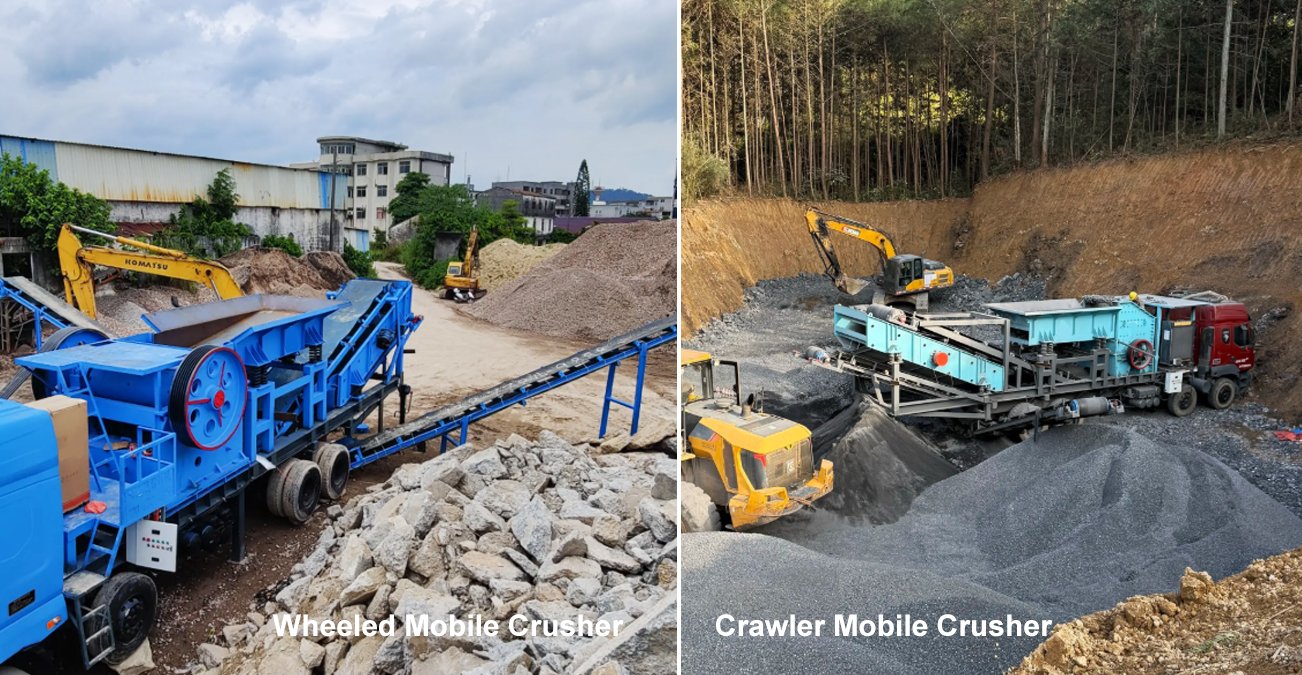
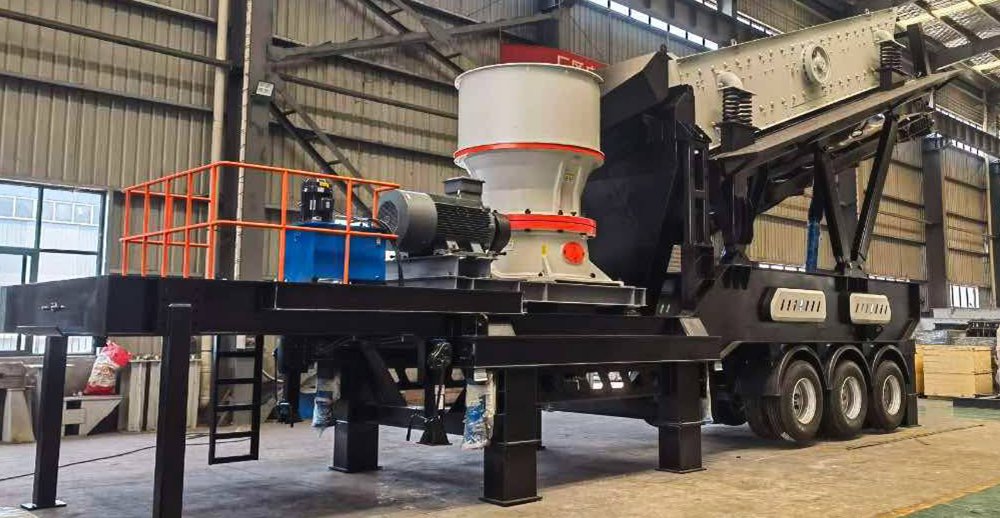
If you’re new to mining, quarrying, or building a crushing plant, you’ve probably asked yourself this question: Cone crusher or jaw crusher—which one do I need?
I receive inquiries about this every day. People often think, “Aren’t they both used for crushing rock? What’s the big deal?” While both are used for crushing rock and ore, they are not interchangeable. Choosing the wrong equipment will not only waste money and slow down production, but also lead to frequent maintenance issues.
As an expert at Chunlei Machinery, having helped hundreds of clients choose the right crushers, we are dedicated to helping contractors and mine owners find the most suitable equipment for their specific materials. Let’s break it down in simple terms so you can know exactly which machine is best for your operation and make an informed decision.
What are their core differences?
Think of a crushing production line as a juice-making process: a jaw crusher is like a “giant shredder,” breaking large chunks of material into manageable fragments; a cone crusher is the “refiner,” processing those fragments into uniform, marketable aggregate or ore particles.
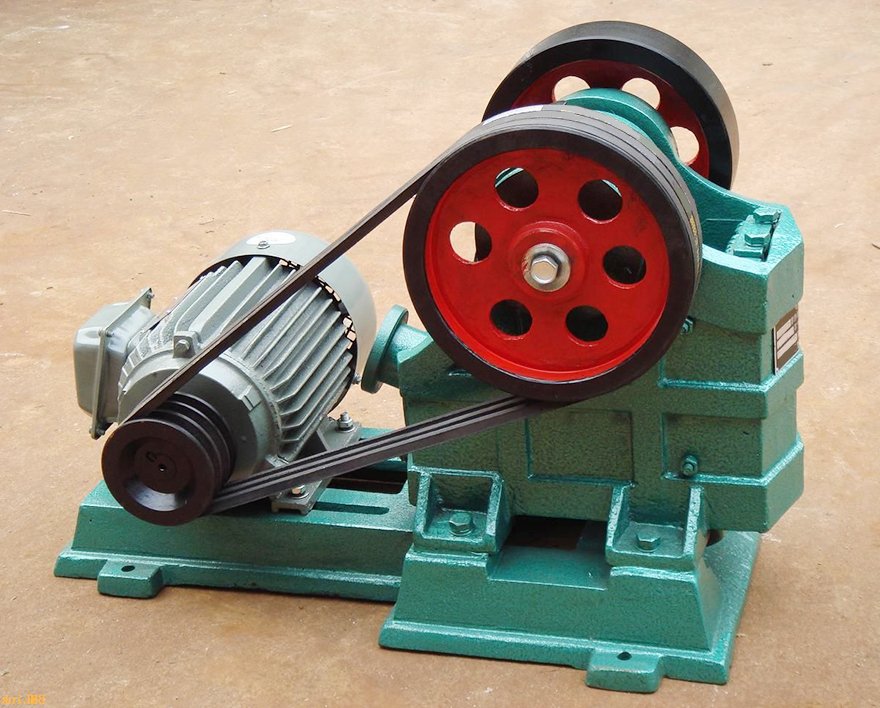
The jaw crusher is the “brute force” player. It grabs that boulder and squeezes it until it splits in two. It’s your mainstay—the one that does the heavy lifting.
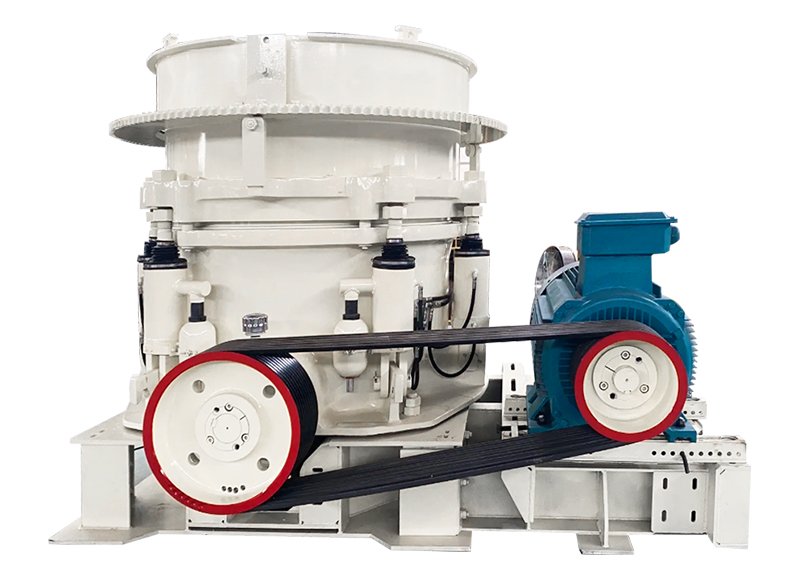
The cone crusher, on the other hand, is the precision specialist. It takes over the chunks (or medium-sized rocks) processed by the jaw crusher and grinds them into regular cubic shapes. It’s your finishing touch expert.
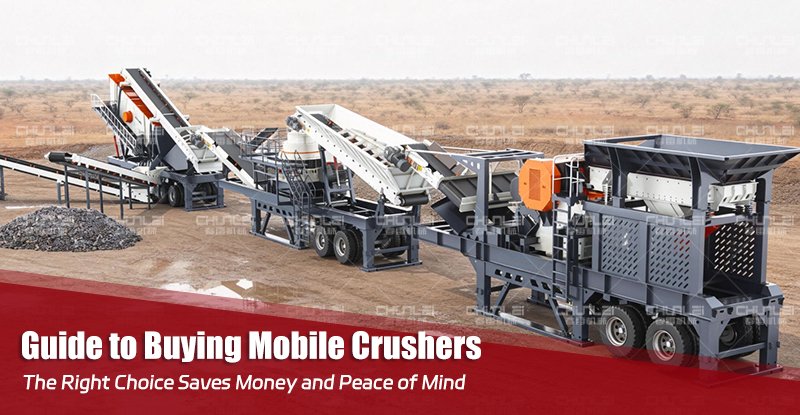
In most production plants, they always work together—almost never alone. But if you can only choose one, or need to select the right crusher based on specific operating conditions, let’s delve deeper.
When to Choose a Jaw Crusher (The Workhorse)
If your material is super hard, super big, or you’re just starting the crushing process, you need a jaw crusher.
Jaw crushers are built for high volume and low maintenance. They aren’t picky eaters. They’ll chew up granite, river rock, or recycled concrete without complaining.
Here’s the scenario: You’ve just blasted a mountain. You have rocks ranging from 10 inches to 3 feet wide. You need to get them down to about 6 to 8 inches so you can feed them into a secondary crusher.
You need a Jaw Crusher.
Our Recommendation:
CJ Series European Jaw Crusher (Best Seller)
– Feed size: up to 1200mm (handles massive boulders)
– Capacity: 10-300 TPH
– Discharge adjustment: 10-30mm
– Motor power: 30-45 Kw
– Perfect for hard rock, granite, iron ore primary crushing
PE Series Fixed Jaw Crusher (Heavy-Duty)
– Feed size: up to 1500mm
– Capacity: 5-800 TPH (large-scale projects)
– Suitable for materials up to 320MPa compressive strength
When to Choose a Cone Crusher (The Perfectionist)
Now, let’s say you’ve already got your rocks down to a manageable size. You’re making asphalt, concrete aggregates, or road base. You need the final product to be cubical. You know—those nice, square-edged rocks that lock together perfectly.
Flat, flaky rocks don’t sell. Cubical rocks do.
If you’re looking to refine your material, get specific sizing (like 3/4 inch minus), and maximize your profit margin on the final product, you need a Cone Crusher.
Our Recommendation:
HPT Hydraulic Cone Crusher (Top Recommendation)
– Feed size: ≤100-200mm
– Capacity: 55-450 TPH
– Discharge adjustment: 8-35mm
– Motor power: 160-315 Kw
– Hydraulic protection, automatic cavity cleaning (less downtime)
CS Symons Cone Crusher (Budget-Friendly Heavy-Duty)
– Feed size: ≤64-190mm
– Capacity: 30-350 TPH
– Ideal for large mining quarries, low maintenance cost
Quick Cheat Sheet: Jaw vs Cone Crusher (Easy Decision)
Scenario | Pick Jaw Crusher | Pick Cone Crusher |
|---|
You need to crush BIG boulders | ✅ YES | ❌ NO |
You need fine, uniform aggregates | ❌ NO | ✅ YES |
Primary crushing (first step) | ✅ YES | ❌ NO |
Secondary/refining crushing | ❌ NO | ✅ YES |
Lowest maintenance, simple use | ✅ YES | ❌ NO |
Quick Cheat Sheet: Jaw vs Cone Crusher (Easy Decision)
Here is the secret that the most profitable sites know: A jaw crusher and a cone crusher work best as a team.
If you try to use a jaw crusher to make fine aggregate, you’re going to burn through your jaw plates really fast, and you’ll end up with a lot of flat, needle-shaped rocks that nobody wants to buy.
If you try to feed a cone crusher a 3-foot boulder, you’re going to wreck the internals.
The Winning Formula:
Jaw Crusher: Takes the raw blasted rock down to 4-6 inches.
Cone Crusher: Takes that 4-6 inch rock and turns it into 1-inch, 3/4-inch, or crusher run material.
Optimal Setup (What Most Customers Do)
Jaw Crusher Recommended if:
You are a contractor who frequently needs to move equipment, or you are performing one-off operations (such as site clearing). This type of equipment has a lower initial investment and is easier to move.
Cone Crusher Recommended if:
You own a fixed quarry, sell aggregate to governments or construction companies, and require strict quality control. While the initial investment for a cone crusher may be higher, the final product can be sold at a higher price, resulting in a higher return on investment.
If you want a complete, efficient production line with the best of both worlds:
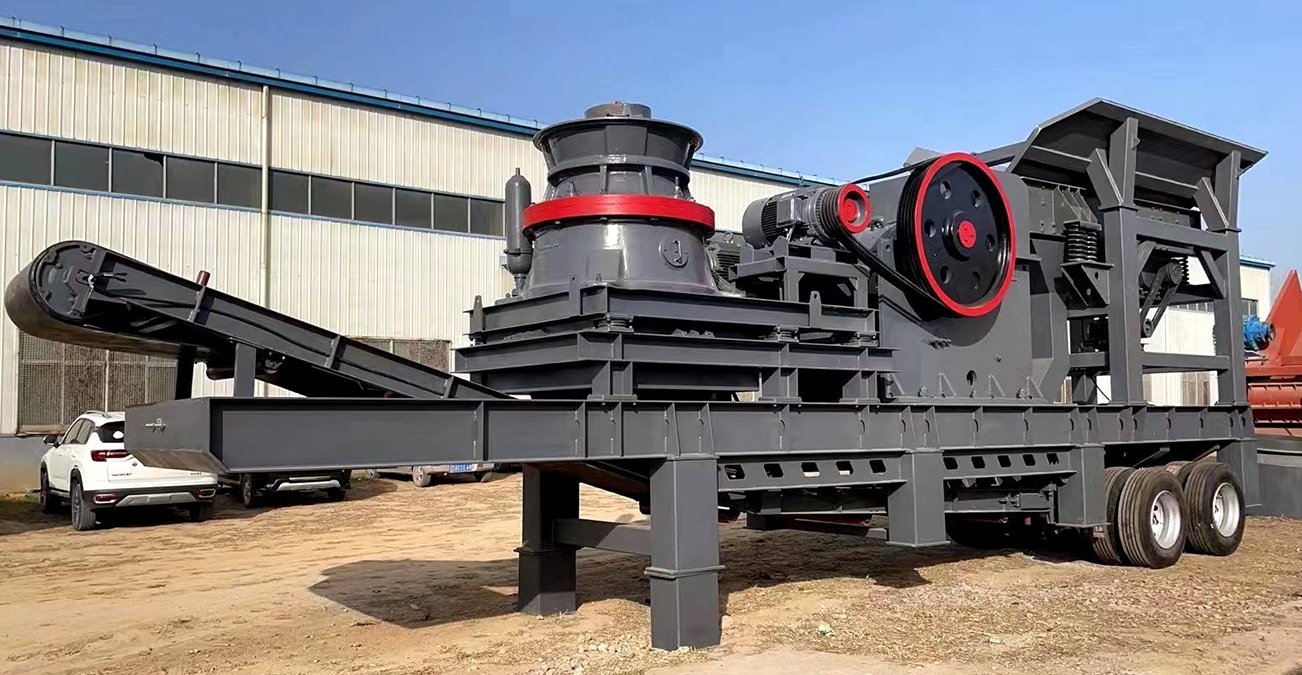
Use a Chunlei jaw crusher for primary crushing, then feed the output to a Chunlei cone crusher for refining. This combination provides you with maximum output, high-quality products, and minimal hassle.
Why Choose Chunlei Equipment?
I know there are a lot of brands out there. But when you buy from us, you aren’t just getting a motor and some steel.
We design our jaw crushers with heavy-duty flywheels that keep momentum going even when you hit a hard patch of rock. That means your fuel costs stay stable, and your belts don’t snap.
We design our cone crushers with high-manganese steel liners that last 30-50% longer than generic brands. Because changing liners is a pain in the neck, and we want you crushing rock, not wrenching on bolts.
Still unsure? Leave it to Chunlei
We know every project is unique. Perhaps you operate a small quarry, perhaps you’re mining hard ore, or perhaps you have a limited budget—whatever your situation, we never offer a “one-size-fits-all” solution. Your rock’s moisture content, abrasiveness, and target output are all key factors.
If you’re still struggling to choose between a cone crusher and a jaw crusher, please message us. Tell us:
What material do you want to crush? (Granite, limestone, river pebbles?)
What is the maximum feed size?
What is your expected hourly output?
Get a free customized crusher solution from Chunlei today! We will accurately recommend the crushers (or combinations) you need and provide you with a free quote within 24 hours. We will provide customized process flow suggestions. No pressure, just honest advice.
Contact the Chunlei team today. Let us help your production line run smoothly.